Buying new IT is expensive, generates tons of e-waste, and hinders your company's sustainability goals. Those who continue to rely on traditional hardware strategies burden budget, environment, and CSR performance equally. But there are ways for sustainable IT procurement that are economically sensible and ecologically necessary.
What sustainable IT procurement is and what options you have for it
Sustainable IT procurement means you don't just buy, use, and dispose of new IT, but consciously focus on conserving resources, reducing emissions, and extending the lifecycle of hardware. The goal is to measurably reduce energy consumption, CO₂ emissions, and raw material consumption while ensuring the performance of your IT.
To achieve this, you have three fundamental procurement methods and two complementary strategies available. Together, they form the framework for truly sustainable IT.
1. Sustainable New Procurement
Sometimes, procuring new devices is necessary. In these cases, you should opt for durable, energy-efficient, and repairable hardware, ideally certified by labels such as EPEAT, TCO, or the Blue Angel. This reduces energy consumption during operation and ensures that devices remain usable for as long as possible.
2. Purchasing Refurbished IT
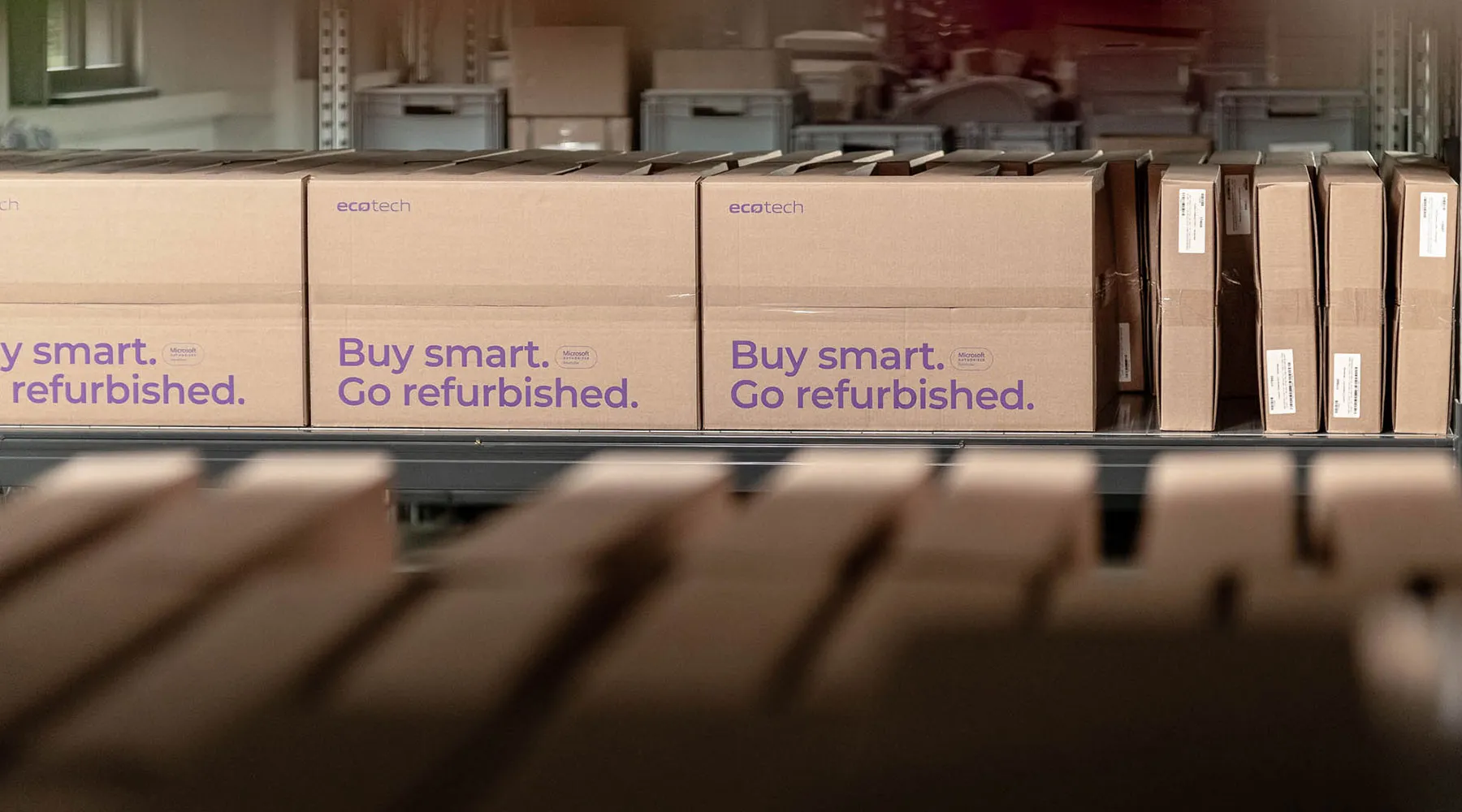
The most effective form of sustainable procurement is the use of refurbished business hardware. Professionally refurbished devices save significant amounts of CO₂ and raw materials, offer high quality, and ease your budget. At the same time, you strengthen the circular economy because devices go through multiple usage cycles.
3. Procuring IT as a Service (DaaS, Leasing with Return)
Service models ensure that devices, after use, are not stored in basements but are returned, refurbished, or recycled. You receive modern hardware, clear cost structures, and sustainable take-back throughout the lifecycle.
In addition to these three procurement methods, there are two central usage strategiesthat truly make sustainable procurement effective:
Extending the lifespan through upgrades and repairs
Instead of prematurely replacing devices, you can continue to use many systems through SSDs, RAM upgrades, or repairs. This significantly lowers costs and reduces CO₂, as the majority of emissions occur during manufacturing.
IT Remarketing and Returning Your Own Used Devices
Sustainable IT doesn't end with the purchase: Through certified data erasure, professional refurbishment, and remarketing of your used devices, you fully close the loop. This way, you avoid e-waste, secure residual values, and act GDPR-compliant.
Refurbished IT & IT Remarketing: How the Circular Economy Works in Practice
Refurbished IT and IT remarketing are key components of sustainable IT procurement and simultaneously the most effective levers to reduce costs, conserve resources, and prevent e-waste. Both approaches aim to refurbish and reuse existing hardware in such a way that it technically, aesthetically, and securely meets the demands of modern business IT.
What is Refurbished IT?
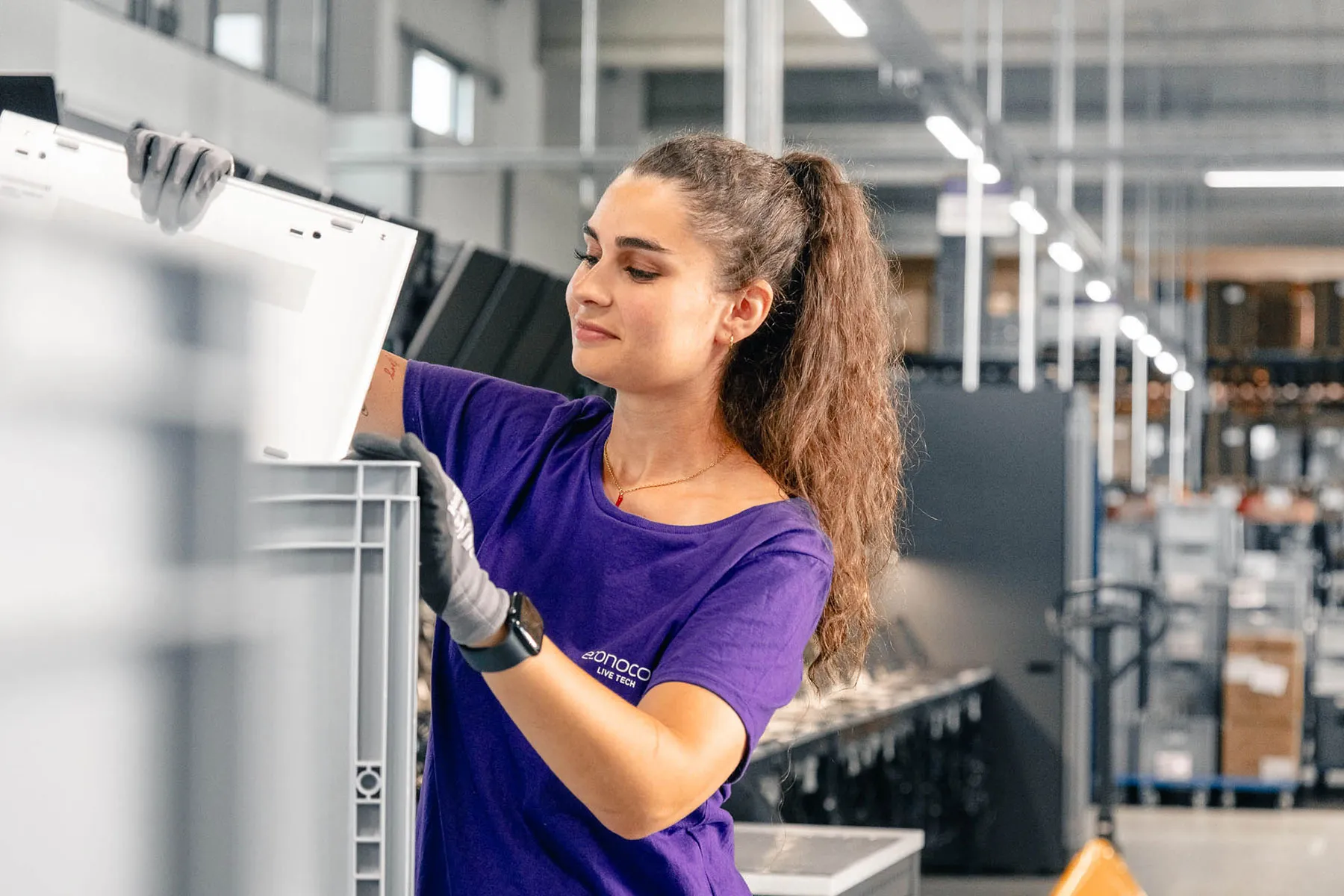
Refurbished IT includes professionally refurbished business devices such as notebooks, PCs, or servers. The hardware is technically inspected, cleaned, upgraded, and fully repaired. Subsequently, it undergoes quality and functional checks. The result is devices that appear like new, offer reliable performance, and are nevertheless significantly more resource-efficient and cost-effective.
If you want to buy refurbished business hardware and benefit from our standard 24-month warranty , then learn more about our Refurbished IT here.
How does IT Remarketing work?
IT remarketing involves the sustainable return of your own old devices. A professional IT refurbisher handles on-site collection, deletes all data according to recognized standards (DIN 66399-2 or NIST 800-88), refurbishes the hardware, and reintroduces it into a new lifecycle. What cannot be reused is recycled in an environmentally friendly manner. Your company benefits not only ecologically but also economically, as residual value proceeds reduce the total operating costs of your IT.
If you want to sustainably return your old devices, you can find all details about our return process here.
Why is this so sustainable and secure?
Most of a device's CO₂ emissions are generated during manufacturing. Therefore, each additional usage cycle significantly reduces the ecological footprint. At the same time, certified data erasure ensures that sensitive information remains protected. Reputable providers work according to ISO 9001, document every step, and provide GDPR-compliant erasure protocols.
The Advantages of Sustainable IT Procurement
Sustainable IT procurement is increasingly becoming an economic, regulatory, and strategic success factor for companies. Because it helps reduce costs, meet legal requirements, and simultaneously significantly lower your IT's ecological footprint.
1. You utilize costs and resources more efficiently
Energy-efficient or refurbished devices significantly relieve your budget. Through longer usage cycles, repairs, upgrades, and professional remarketing, you secure residual values and reduce depreciation losses. This lowers the total cost per device, while your IT remains powerful.
2. You meet legal requirements and CSR
With the EU Green Deal and increasing CSR requirements, pressure is growing to reduce emissions and use resources responsibly. Sustainable IT procurement helps you meet compliance requirements while improving your sustainability record.
3. You gain competitive advantages
Sustainability has long been a key differentiator. Companies that visibly manage their IT in a resource-efficient way improve their external image and increase their attractiveness to customers, partners, and employees. Consistently sustainable IT demonstrates that you take responsibility beyond mere marketing.
4. You avoid the challenges of traditional procurement
Short replacement cycles, unclear residual value processes, and growing amounts of e-waste cause unnecessary costs and often contradict internal climate and efficiency goals. Sustainable procurement strategies break these patterns and create clear, controllable processes throughout the entire lifecycle.
5. Your data is secure
Sustainable IT procurement ensures clear processes for data protection, returns, and disposal. Through certified data erasure, documented handovers, and defined end-of-life processes, you significantly reduce security risks. At the same time, you avoid liability issues that can arise from improper storage or disposal of old devices.
Practical Tips for Sustainable IT Procurement
Sustainable IT procurement only fully delivers its benefits when processes are clearly defined and you work with a reliable partner. Two factors are crucial: transparency within your own IT landscape and the careful selection of a provider that guarantees quality, security, and sustainability.
1. Establish Clear Processes
Ensure that procurement, usage, returns, and remarketing are structured. This includes fixed replacement cycles, documented device inventories, and defined criteria for when devices are to be replaced, upgraded, or returned. The clearer these processes are, the easier it is to control costs, resource consumption, and risks.
2. Choose the Right Provider
The quality of sustainable IT procurement largely depends on the provider. Certified data destruction, transparent documentation, ISO standards, clear return processes, and professional resale are mandatory. Only then can you ensure that your devices are processed in compliance with data protection regulations and simultaneously utilized to their fullest potential.
If you want to be sure about your provider choice, this whitepaper provides the most important criteria and a concise checklist: How to choose the right IT refurbisher.
Your Next Step
Do you want to establish sustainable IT procurement in your company and are looking for a reliable partner for refurbished IT and remarketing? Great, we'd be happy to help!
FAQ
What is sustainable IT procurement?

Procuring and using IT hardware to save resources, reduce CO2 emissions, and extend the lifespan of devices.
Is refurbished IT just as reliable as new?
Professionally refurbished business devices are technically inspected, upgraded, and sold with a warranty. They offer the same functionality with significantly less environmental impact.
How exactly does IT remarketing work?
Used devices are collected, undergo certified data erasure, are refurbished, and resold. Unusable components are professionally recycled. Companies often receive residual value proceeds.
Is data deletion truly secure?
Yes. Procedures according to DIN 66399-2 (mechanical destruction) or NIST 800-88 ensure complete, documented, and GDPR-compliant deletion.
When is it worth switching to sustainable IT?
Whenever costs need to be reduced, CSR goals are relevant, or old devices are sitting unused. Refurbished IT usually pays off immediately.
Which devices are suitable for refurbishment?
Business notebooks, PCs, workstations, monitors, servers, and mobile devices – especially models from major manufacturers with a long-term spare parts supply.
How to choose the right refurbishment provider?
ISO certifications, transparent processes, certified data erasure, clear return conditions, and verifiable testing standards are crucial.
Can sustainable IT procurement reduce operating costs?
Yes. Reduced acquisition costs, a longer service life, and higher resale value significantly lower TCO.